




Working in childcare comes with immense responsibility. Children are naturally curious, energetic, and often unaware of potential dangers around them. Minor injuries are common, but emergencies can also happen unexpectedly. Knowing how to respond quickly and effectively can make a life-saving difference. This is why understanding first aid is not just a skill but a necessity for anyone caring for young children.
In this guide, we’ll explore essential first aid knowledge for childcare professionals, the importance of proper training, and practical steps you can take to create a safer environment for children.
Why First Aid Training Is Crucial in Childcare
Childcare environments are dynamic and unpredictable. From playground accidents to allergic reactions, a variety of situations can arise in a matter of seconds. Having proper first aid knowledge ensures that caregivers can respond calmly and effectively, reducing the severity of injuries and potentially saving lives.
Parents also place their trust in childcare providers to keep their children safe. Being trained in first aid boosts credibility, builds confidence, and demonstrates professionalism. Many childcare regulations and licensing requirements also mandate first aid certification for staff.
Common Emergencies in Childcare Settings
Understanding the most common emergencies helps caregivers prepare and respond appropriately.
1. Choking
Young children are especially prone to choking due to small airways and a tendency to put objects in their mouths. Knowing how to perform age-appropriate choking first aid techniques is essential.
2. Cuts and Bleeding
Minor cuts and scrapes are frequent in active play. However, deeper wounds require proper pressure and dressing to prevent infection and excessive blood loss.
3. Burns and Scalds
Hot surfaces, liquids, or sun exposure can cause burns. Immediate cooling of the affected area and appropriate treatment can prevent further damage.
4. Allergic Reactions and Anaphylaxis
Some children have severe allergies to foods, insect bites, or medications. Recognizing symptoms such as swelling, difficulty breathing, or hives and administering emergency medication can be life-saving.
5. Falls and Head Injuries
Children often fall while playing or learning to walk. Knowing when to apply ice, monitor symptoms, or seek medical help is crucial.
Essential First Aid Skills Every Childcare Professional Should Know
Basic Life Support (CPR)
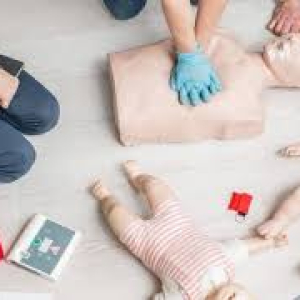
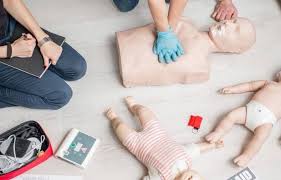
Cardiopulmonary resuscitation (CPR) is one of the most critical skills in emergencies involving cardiac or respiratory arrest. Child-specific CPR techniques differ from adult methods and must be learned through proper training.
Wound Care
Cleaning wounds, applying antiseptic, and using sterile dressings help prevent infection and promote healing.
Burn Management
Running cool water over burns, covering them with a sterile dressing, and avoiding home remedies are key steps in proper burn care.
Recognizing Medical Emergencies
Knowing the signs of serious conditions such as seizures, asthma attacks, or diabetic emergencies allows caregivers to act quickly and seek medical assistance.
Incident Documentation
Recording details of injuries or illnesses is important for parents, medical professionals, and regulatory compliance.
The Role of Training and Certification
Formal training provides hands-on experience and confidence to handle real-life emergencies. A comprehensive course in first aid for childcare covers practical scenarios, child-specific techniques, and updated safety guidelines.
Choosing a reputable training provider ensures that caregivers receive high-quality instruction and certification recognised by regulatory bodies. One such provider is Growth Training Group, which offers comprehensive programs designed specifically for childcare professionals. Their courses focus on practical skills, confidence-building, and compliance with industry standards.
Creating a Safer Childcare Environment
First aid knowledge is only part of the equation. Preventive measures play a huge role in reducing the likelihood of accidents.
Childproofing the Space
Ensure furniture is stable, electrical outlets are covered, and hazardous substances are stored securely.
Supervision and Ratios
Maintaining appropriate staff-to-child ratios ensures children are properly supervised at all times.
Emergency Preparedness
Have clear emergency procedures, accessible first aid kits, and contact information for parents and emergency services. Regular drills help staff stay prepared.
Health and Hygiene Practices
Encouraging handwashing, sanitising surfaces, and managing illnesses reduce the spread of infections.
Benefits of First Aid Knowledge for Childcare Professionals
Investing in first aid training benefits both caregivers and children.
-
Improved Safety: Quick and correct responses minimise injury severity.
-
Professional Confidence: Caregivers feel more prepared and less stressed in emergencies.
-
Parent Trust: Parents feel reassured knowing their children are in capable hands.
-
Regulatory Compliance: Many childcare centres require certified staff.
-
Career Advancement: First aid certification enhances employability and professional credibility.
How Often Should First Aid Training Be Updated?
First aid guidelines evolve as medical research advances. Most certifications require renewal every one to three years. Regular refresher courses ensure caregivers stay updated with the latest techniques and best practices. Practicing skills through simulations and drills also helps maintain confidence and competence.
Conclusion
In childcare, safety is always the top priority. Children depend on adults for protection, care, and quick action during emergencies. Having comprehensive first aid knowledge equips childcare professionals with the skills and confidence to respond effectively, reducing risks and potentially saving lives.
Whether you’re a childcare worker, educator, or centre owner, investing in first aid training is a crucial step toward creating a safe and professional childcare environment. By staying informed, prepared, and proactive, you can ensure that every child in your care receives the safest possible start in life.