

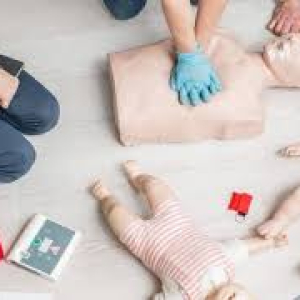
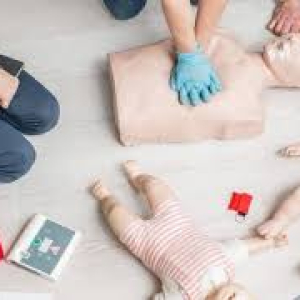



In childcare settings, safety is always a top priority. Children are naturally curious and energetic, making them more prone to accidents and medical emergencies. For caregivers, early and effective intervention can make all the difference in protecting a child’s health and well-being. That’s where specialized training comes in. Childcare Emergency First Aid Training equips childcare professionals with the knowledge and practical skills to respond confidently in emergencies, ensuring a safe environment for both children and staff.
Why Childcare Emergency First Aid Training is Vital
Accidents and medical emergencies can occur anytime in childcare centers, from minor cuts and burns to severe allergic reactions or choking incidents. The ability to act quickly and correctly is essential to prevent injuries from worsening. Childcare Emergency First Aid Training teaches caregivers how to:
-
Recognize early signs of medical distress.
-
Respond effectively to injuries, choking, and burns.
-
Administer CPR and other life-saving techniques.
-
Manage allergic reactions and asthma attacks.
-
Maintain accurate incident records and communicate with parents and healthcare providers.
These skills are not only crucial for the immediate safety of children but also instill confidence in parents and staff, knowing that trained professionals are in control during emergencies.
Key Components of Childcare Emergency First Aid Training
A comprehensive training program covers a wide range of topics tailored specifically to the childcare environment. Some of the core elements include:
1. Pediatric CPR and AED Use
Unlike adults, children require different techniques for CPR. Training ensures caregivers can deliver the right compression depth and rescue breaths for infants, toddlers, and older children. Additionally, understanding how to operate an automated external defibrillator (AED) is essential for life-threatening cardiac emergencies.
2. Choking and Airway Management
Choking is a common emergency in childcare. Training focuses on identifying airway obstructions and performing appropriate interventions for different age groups, including infants who may require back blows and chest thrusts.
3. Injury Assessment and First Aid Procedures
From cuts and bruises to fractures and burns, the program teaches proper assessment and first aid techniques to stabilize injuries before professional medical help arrives.
4. Emergency Response Planning
Effective childcare centers implement emergency plans for fire, natural disasters, or medical crises. The training guides staff in creating and practicing these protocols to ensure everyone knows their responsibilities during an emergency.
5. Managing Medical Conditions
Many children in childcare have existing medical conditions such as asthma, diabetes, or severe allergies. The training provides guidance on recognizing symptoms, administering medication, and acting promptly to prevent complications.
Benefits for Childcare Providers
Investing in Childcare Emergency First Aid Training offers multiple advantages:
-
Enhanced Safety: Children receive immediate and competent care during emergencies.
-
Confidence and Competence: Caregivers feel empowered to act decisively.
-
Regulatory Compliance: Many states and childcare licensing bodies require staff to hold first aid certifications.
-
Peace of Mind for Parents: Parents trust that trained professionals are looking after their children’s safety.
Growth Training Group offers programs designed to equip childcare professionals with these essential skills, blending practical knowledge with hands-on exercises to ensure readiness in real-life situations.
Choosing the Right Training Program
When selecting a training provider, consider these factors:
-
Accreditation: Ensure the course is recognized by relevant childcare and health authorities.
-
Hands-on Practice: The best programs include practical exercises, not just theoretical lessons.
-
Tailored Content: Look for courses specifically designed for childcare settings rather than generic first aid programs.
-
Refresher Options: Regularly updated training ensures skills remain current and effective.
Conclusion
Childcare Emergency First Aid Training is an essential investment for anyone responsible for the care of children. It empowers caregivers to act swiftly and effectively in emergencies, protects children’s well-being, and fosters trust among parents. By choosing a reputable training provider like Growth Training Group, childcare professionals gain practical skills, confidence, and knowledge that can make a real difference in critical situations. Prioritizing emergency preparedness is not just a regulatory requirement—it is a commitment to the safety and health of every child in your care.