

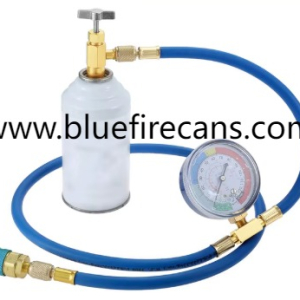
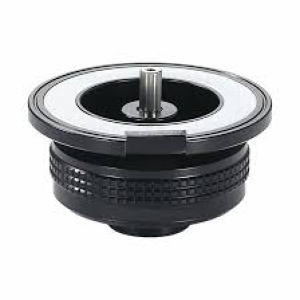
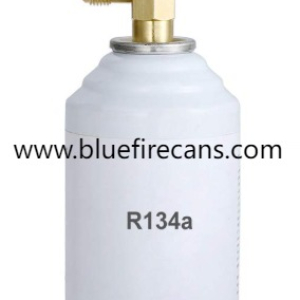
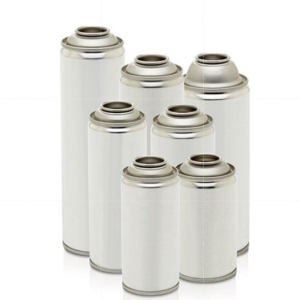
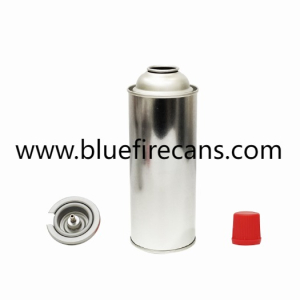
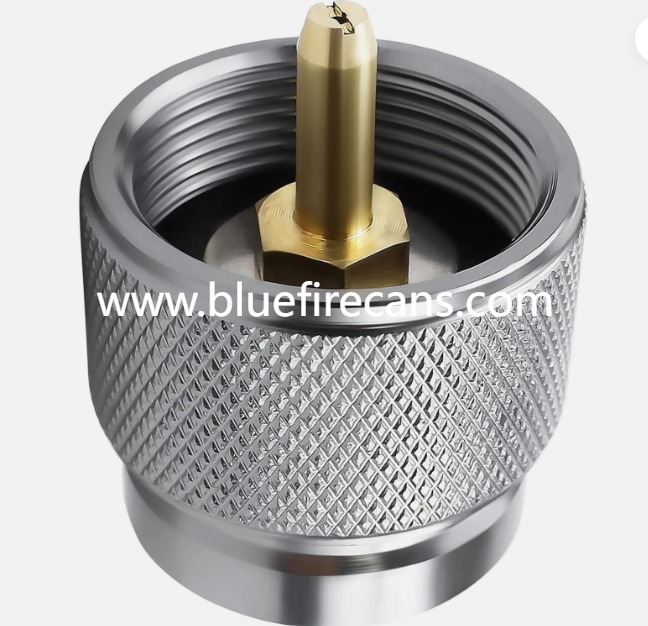
Packaging and equipment professionals are paying closer attention to the parts that are easy to overlook yet vital to safe operation. In many conversations about gas gear the Bluefire EN417 Valve is cited as an example of a component that links safe connection with everyday usability. The presence of the right valve can change how operators handle refilling storage and transport while reducing common frustration at point of use.
At a basic level a valve must do more than open and close. It must engage predictably with fittings tolerate handling and maintain a reliable seal under varying pressure conditions. When pressure systems face shocks in transit or shifts in temperature a stable valve can prevent leaks and unplanned downtime. That is why durability and consistent performance matter to technicians and to people who rely on portable energy delivery in field and retail contexts.
Compatibility is often a key concern. Equipment from different makers may use similar looking fittings that behave differently under load. A valve that follows accepted design principles helps avoid mismatches and the resulting delays. For purchasing teams the question is whether a chosen component will integrate into existing workflows without requiring costly adapters or specialized training for staff. Smooth mechanical fit reduces the chance of assembly error and shortens the time required for each refill or service action.
Testing and quality control are also central. Visual inspection alone does not reveal how a valve performs after repeated cycles or under extended storage. Practical tests that include repeated connection cycles pressure hold tests and exposure to common environmental conditions produce more useful information. When suppliers can show consistent production methods and clear testing routines it gives buyers greater confidence that the parts will behave the same in batch one and batch one hundred.
Serviceability matters in a different way. Valves that are straightforward to inspect and easy to replace spare parts that are available and clear documentation about maintenance intervals help field teams keep gear online. When repairs require special tools or long lead times the cost in lost productivity can outweigh initial savings. Many operations prefer parts that make routine checks quick and that reduce the risk of human error during maintenance.
Safety is not only a technical question but also a matter of communication. Clear labeling simple connection guides and transparent information about pressure ratings help avoid misuse. For operators who are not specialists in gas systems intuitive instructions combined with robust design lower the chance of improper handling. When supply chains are under pressure and turnover in staffing is high such clarity becomes a practical safety measure.
Sustainability and lifecycle thinking are becoming part of the selection process. Buyers increasingly weigh how components affect the ability to recycle or reuse larger assemblies. A valve designed with separable materials and predictable end of life handling can contribute to a smaller environmental footprint for the whole system. This is an element that ties operational choices to broader organizational goals about resource use.
Cost factors remain important but they are rarely the only consideration. A lower priced valve that causes frequent stoppages or requires special adapters may increase total operating cost. Decision makers often balance initial spend against expected service intervals availability of spares and the cost of unplanned downtime. A well balanced choice can improve reliability without forcing higher ongoing expense.
Regulatory attention and public conversation about safety standards have raised awareness across sectors. While different regions have varying rules the general trend favors components that demonstrate consistent performance and traceable production records. Buyers who request clear documentation and who ask practical questions about manufacturing and testing often receive better support and quicker resolution if issues arise.
In everyday procurement teams find value by creating simple checklists that reflect both functional and human factors. Items such as ease of connection visual cues that signal a proper seal and availability of spares provide a grounded way to compare options. Side by side trials with actual field crews reveal preferences and hidden friction that laboratory tests may miss.
A focused evaluation that weighs fit function and serviceability helps ensure equipment operates smoothly and safely. When decisions are informed by predictable performance and clear supplier communication the result is fewer interruptions and greater confidence among users. For those interested in assessing options and supplier practices further the following resource is a helpful reference https://www.bluefirecans.com/ .