


Clean welds free from porosity, oxide inclusions, and surface contamination represent quality benchmarks that fabricators pursue through meticulous attention to base metal preparation, filler material handling, environmental conditions, and welding technique. Achieving consistently clean aluminum welds requires systematic approaches addressing multiple contamination sources and defect mechanisms that compromise joint integrity and appearance. Understanding effective strategies when working with Kunli Aluminum Welding Wire ER5356 helps operators produce sound welds meeting visual inspection standards and structural performance requirements across varied fabrication scenarios from precision components to heavy structural assemblies.
Base metal surface preparation forms the foundation of clean welding results as contaminants on aluminum surfaces introduce impurities into weld pools creating porosity and fusion defects. Mechanical cleaning with dedicated stainless steel brushes removes aluminum oxide layers that form rapidly on exposed surfaces. Using brushes exclusively for aluminum prevents cross-contamination from ferrous particles that create galvanic corrosion sites. Chemical degreasing eliminates oils, cutting fluids, and handling residues that decompose in the arc releasing hydrogen causing porosity. Solvent cleaning followed by complete drying ensures no moisture remains on surfaces before welding begins. Freshly cleaned surfaces should receive welding attention promptly as oxide layers reform within hours of cleaning, requiring re-preparation if welding delays occur.
Shielding gas quality and delivery affect atmospheric protection preventing oxidation and nitrogen pickup during welding. Welding grade argon contains minimal moisture and oxygen impurities that could contaminate weld pools. Lower purity gases cost less initially but introduce defects requiring rework that exceeds any gas savings. Flow rates must provide adequate coverage without creating turbulence that disrupts the protective gas blanket drawing ambient air into shielded zones. Drafts from ventilation systems, open doors, or wind disrupt gas coverage allowing atmospheric contamination. Windscreens or repositioning work in sheltered locations maintains consistent shielding when environmental air movement cannot be eliminated. Gas delivery equipment including regulators, hoses, and torch components requires periodic inspection ensuring proper function without leaks degrading gas purity.
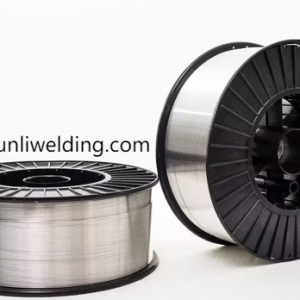
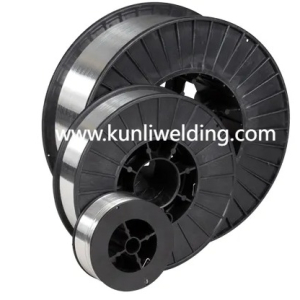
Filler wire cleanliness directly impacts defect occurrence as contaminated wire surfaces introduce impurities regardless of base metal preparation quality. Aluminum Welding Wire ER5356 should arrive in sealed moisture-barrier packaging preventing oxidation and contamination during storage and shipping. Once opened, unused portions require protection from atmospheric exposure through resealable bags or containers with fresh desiccants. Wiping wire with clean lint-free cloths immediately before welding removes dust and light surface oxidation accumulated during handling. Gloves prevent skin oils from transferring to wire during spool changes and equipment threading. These material handling practices preserve wire quality from manufacturer through consumption supporting defect-free welding.
Equipment maintenance addresses hidden contamination sources within welding systems that introduce defects despite proper material preparation. Drive rolls accumulate aluminum particles and oxidation residues that transfer to wire during feeding. Contact tips develop deposits restricting smooth wire passage while potentially introducing contaminants into arc zones. Gas diffusers clog with spatter and debris reducing flow capacity and coverage uniformity. Regular cleaning schedules and component replacement when wear or contamination becomes evident maintains system cleanliness preventing equipment-related defect introduction.
Welding technique influences contamination susceptibility through torch positioning, travel speed, and heat input management. Excessive weaving exposes weld pool edges beyond shielding gas coverage allowing atmospheric contamination during solidification. Proper torch angles direct shielding gas flow effectively over molten metal. Travel speeds must allow adequate time for gas escape from solidifying metal while preventing excessive heat input that increases hydrogen solubility. Smooth consistent technique without erratic movements or stops maintains stable conditions throughout weld length reducing opportunities for contamination entry.
Interpass cleaning between multiple weld passes removes oxides and residues from previous operations preventing their incorporation into subsequent layers. Wire brushing between passes eliminates surface oxides that form during cooling. This intermediate cleaning step proves particularly important in multi-pass joints where contamination can accumulate between layers creating defects in final weld cross-sections despite clean initial and final surfaces.
Crater filling at weld terminations prevents porosity concentrations in unfilled end craters. Proper crater management through gradual current reduction or filler addition while reducing heat prevents shrinkage voids and gas porosity that frequently occur in abrupt terminations. Technique development emphasizing complete crater filling improves overall weld cleanliness by eliminating common defect locations.
Environmental controls manage humidity, temperature, and atmospheric cleanliness in welding areas. Dehumidification systems reduce moisture in shop atmospheres preventing condensation on cold materials. Climate control maintains stable temperatures avoiding condensation from temperature cycling. Air filtration reduces airborne particulates that settle on cleaned surfaces awaiting welding. These environmental investments prove worthwhile for operations where cleanliness directly affects quality outcomes and customer satisfaction.
Storage conditions for base materials and consumables protect cleanliness between receipt and use. Covered storage protects materials from dust and moisture accumulation. Inventory rotation ensures materials receive use before extended storage allows degradation. Temperature-stable storage prevents condensation from thermal cycling. These material management practices preserve manufacturer-supplied cleanliness throughout fabrication facility material flow.
Inspection protocols catch contamination and defects enabling corrective action before defective work progresses. Visual examination detects surface irregularities and workmanship issues. Dye penetrant testing reveals surface-breaking defects invisible to unaided inspection. Radiographic or ultrasonic examination documents internal soundness in critical applications. These verification activities provide feedback guiding process improvement when defect patterns emerge indicating systematic problems requiring correction.
Training emphasizing cleanliness importance and contamination awareness creates operator understanding supporting consistent quality practices. When welders recognize how contamination affects outcomes and understand prevention methods, compliance becomes habitual rather than requiring constant supervision. This cultural approach to cleanliness proves more sustainable than relying solely on formal procedures that operators may shortcut under production pressures.
Achieving clean welds with Aluminum Welding Wire ER5356 requires comprehensive attention to base metal preparation, filler material handling, environmental conditions, equipment maintenance, and welding technique. Systematic implementation of these cleanliness practices produces consistent quality outcomes meeting appearance and structural performance requirements across aluminum fabrication applications. Technical guidance on achieving clean welds is available at https://www.kunliwelding.com/product/ .