

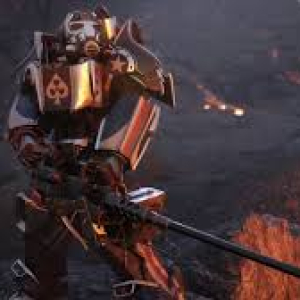
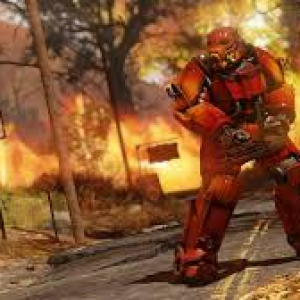
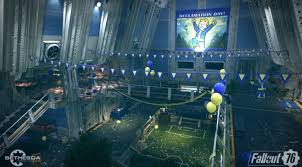
Emerging from the vaults on Reclamation Day, the world of *Fallout 76* presented a stark departure from its predecessors: a desolate, beautiful, and profoundly empty Appalachia. Initially met with a challenging reception, the game’s journey has been one of remarkable transformation, evolving into a testament to live-service resilience and the unique appeal of shared-world exploration. At the heart of this evolution lies a single, powerful concept: **community**. It is this element that reshaped the entire experience, turning a lonely wasteland into a dynamic, sometimes unpredictable, social landscape.
The early criticism of *Fallout 76* largely stemmed from the absence of human NPCs, creating a narrative vacuum that players had to fill themselves. This design choice, while controversial, inadvertently laid the groundwork for a player-driven ecosystem. The **community** became the living heart of Appalachia. Players were no longer just survivors; they became traders crafting complex economies in their camps, guides helping new "Vault Dwellers," or chaotic agents of mischief. The stories were no longer just scripted; they were born from random encounters—a high-level player dropping a care package of supplies, an impromptu team forming to tackle a towering Scorchbeast, or the communal struggle during a public event like "Scorched Earth."
This focus on a shared world fundamentally altered the game’s atmosphere. The map itself, from the toxic mire of the Cranberry Bog to the irradiated peaks of the Savage Divide, became a backdrop for collective memory. Camps, once mere storage hubs, transformed into creative expressions of personality—cozy taverns, fortified outposts, or bizarre museums showcasing the game’s oddities. The introduction of factions like the Settlers and Raiders in the "Wastelanders" update added traditional NPC-driven stories, but it integrated them into this existing social fabric. Players could now choose sides, but they did so while still interacting with the real people around them.
The ongoing seasonal updates, new events, and the expansive "Expeditions" have all been filtered through this lens of communal activity. Whether cooperating to launch a nuke or simply emoting awkwardly around a wandering vendor bot, the interactions between players generate the game's most memorable moments. The wasteland feels alive not because of a dense script, but because of the unpredictable human element.
Fallout 76 Items stands not as a traditional *Fallout* RPG, but as a persistent, evolving online world. Its success is a story of listening, adapting, and, most importantly, harnessing the power of its player base. The haunting beauty of Appalachia remains, but its true allure is no longer just in its landscapes or lore. It is in the bustling player hub near the Wayward, the chaotic teamwork of a daily op, and the silent camaraderie of two strangers briefly sharing a campfire against the vast Appalachian dark. In nurturing its **community**, *Fallout 76* found its soul, proving that even in a post-nuclear hellscape, human connection is the ultimate resource.