



Creating well-designed, functional, and sustainable communities requires thoughtful decision-making and long-term vision. That’s where town planning plays a crucial role. As cities grow and populations increase, the need for strategic planning becomes more important than ever. From zoning and infrastructure design to environmental management and community wellbeing, modern planning helps shape the places where people live, work, and connect.
What Is Town Planning?
Town planning is the structured process of designing and regulating the use of land to ensure balanced, efficient, and sustainable development. It involves evaluating current and future community needs and creating frameworks that support growth while maintaining quality of life. By focusing on land use, transport links, public spaces, and environmental considerations, planners help ensure that development benefits both residents and the wider region.
Town planning is not only about placing buildings on a map—it’s about creating functional and resilient environments that support communities for generations.
Why Town Planning Matters Today
1. Managing Urban Growth
As cities experience rapid population increases, managing land effectively becomes critical. Strategic planning ensures development occurs in suitable areas, preventing overcrowding, reducing congestion, and supporting accessible infrastructure.
2. Supporting Infrastructure Development
Quality infrastructure—roads, utilities, schools, hospitals, public transport—forms the backbone of modern communities. Planning helps coordinate where and when these facilities should be built, ensuring they meet the needs of residents.
3. Protecting the Environment
Modern planning policies prioritise sustainability. This includes protecting natural habitats, encouraging green spaces, reducing carbon emissions, and supporting climate-resilient design. With environmental challenges increasing, these considerations are more important than ever.
4. Enhancing Community Wellbeing
A well-planned town promotes healthier and more connected lifestyles. Walkable streets, accessible parks, community centres, and public transport options all help create vibrant, inclusive spaces where people feel safe and supported.
Key Principles of Effective Town Planning
Sustainability
Planning must support long-term environmental and community health. This includes energy-efficient building designs, green corridors, stormwater management systems, and reduced reliance on cars.
Connectivity
Communities thrive when they are easy to navigate. Well-designed transport networks—roads, bike paths, footpaths, and transit routes—ensure people can travel safely and efficiently.
Livability
Livability focuses on comfort, safety, and accessibility. Elements like open spaces, mixed-use developments, and community facilities help create enjoyable and functional neighborhoods.
Economic Growth
Town planning helps attract businesses and support local economies. By identifying commercial zones, encouraging diverse industries, and ensuring access to skilled workers, planning contributes to long-term economic stability.
The Role of Planning Professionals
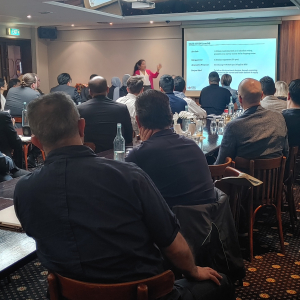
Urban planners, designers, analysts, and consultants collaborate to guide development decisions based on research, policy requirements, and community input. They evaluate land suitability, forecast population trends, and ensure designs align with legal regulations. Their work shapes everything from residential neighborhoods to commercial districts and industrial zones.
High-quality planning relies on strong data, expert insights, and a clear understanding of local needs. Organisations like PPC Urban offer professional guidance to ensure development projects follow best practices and align with broader strategic goals.
Modern Trends Influencing Town Planning
Smart Cities and Technology
Digital innovation is transforming how cities operate. Sensors, data analytics, and automated systems improve traffic flow, energy use, waste management, and public safety. Planners integrate technology to create more responsive and efficient communities.
Mixed-Use Developments
More developments now combine residential, commercial, and recreational spaces. This reduces commuting times, boosts local economies, and creates convenient, walkable neighborhoods.
Transit-Oriented Design
Planning around major transport hubs helps reduce car reliance and encourages public transit use. This approach supports sustainability and improves accessibility.
Green Urban Design
Cities are integrating more green roofs, urban forests, community gardens, and eco-friendly drainage systems to improve air quality, reduce heat islands, and enhance livability.
Challenges Facing Planners
Rapid Population Growth
Keeping pace with demand for housing, infrastructure, and services can be challenging, especially in fast-growing cities.
Balancing Competing Interests
Planners must consider government regulations, community needs, developer goals, and environmental requirements—all of which may conflict.
Climate Resilience
Extreme weather events and long-term environmental shifts require planning strategies that protect communities from future risks.
Affordability Issues
Ensuring access to affordable housing and essential services remains a pressing concern in many regions.
How Good Planning Shapes Stronger Communities
Strong planning leads to safer streets, efficient infrastructure, thriving economies, and healthy environments. It enhances everyday life by ensuring people have access to jobs, education, recreation, and essential services. When done well, it supports growth while preserving character, heritage, and natural landscapes.
Ultimately, planning is about shaping the future. It ensures communities evolve thoughtfully, sustainably, and in ways that support both current and future generations.
Conclusion
Modern town planning is a vital tool for creating well-balanced, livable, and sustainable communities. By focusing on strategic development, environmental responsibility, and community needs, planning professionals help shape cities that are functional, resilient, and inspiring. As populations and expectations grow, thoughtful planning will continue to play a central role in building strong, connected places where people can thrive.